CN
CN

You’ve seen the bad version: flat white light, faces washed out, the set looking like a storage unit, and the “dramatic moment” landing with all the emotional force of a spreadsheet. That’s not a talent problem. That’s lighting.
Theatre lighting is how you build mood, tension, and narrative—sometimes more than the script wants to admit. Color and contrast tell the audience what to feel. Timing tells them when to feel it. And if you’re filming or streaming? Lighting stops being “nice to have” and turns into the thing that keeps your camera from turning the stage into a blown-out mess or a muddy cave.
The core tools don’t change: moving head lights when you need speed and flexibility, beam lights when you want hard shafts and presence, wash lights when you need coverage and atmosphere, and stage spotlights (follow spots and profile-style fixtures) when you need focus and control.
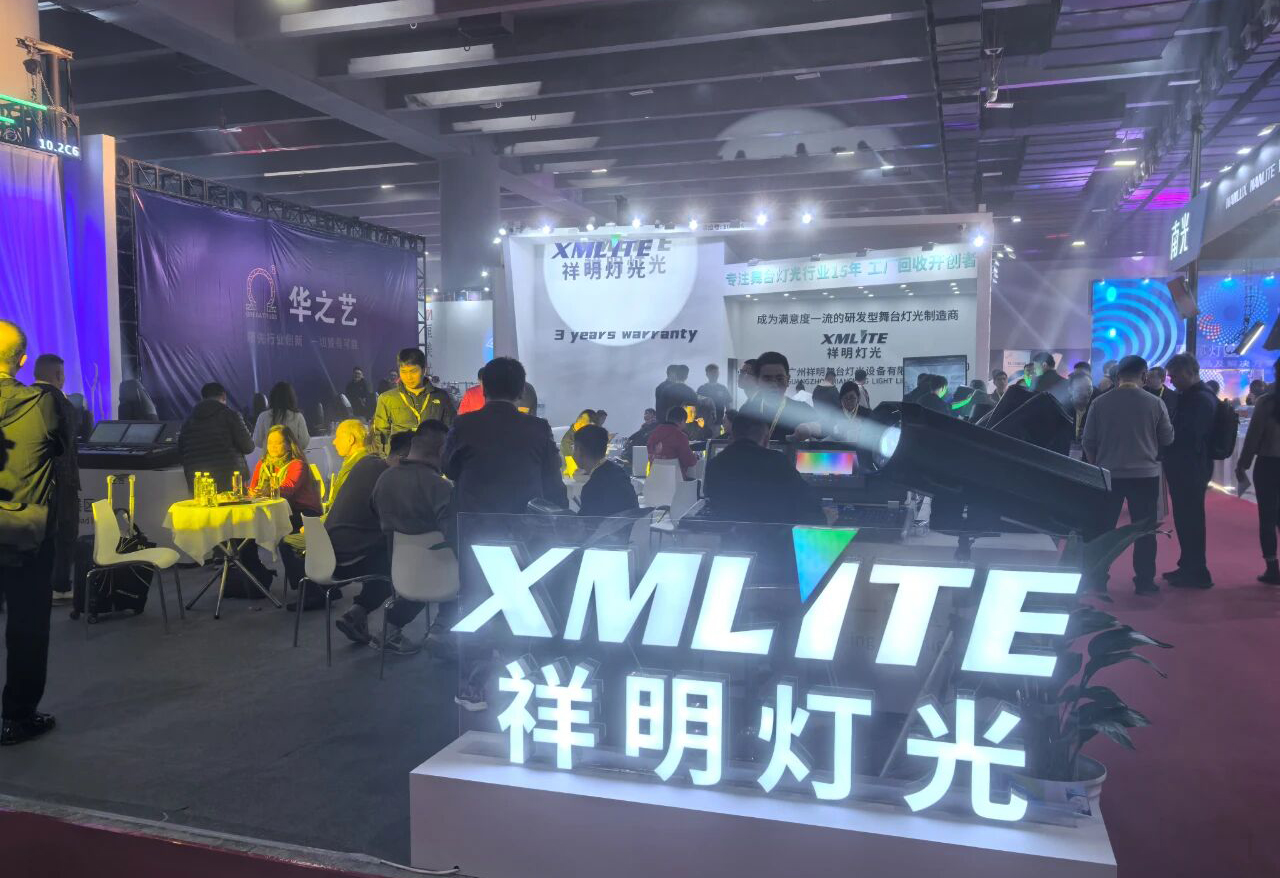
And yeah—B2B buyers have their own reality: gear gets trucked, hung, run hot, struck, and shoved back in a case. You’re shopping for reliability, consistent output, sane control, and support that doesn’t disappear after the invoice. XMLITE leans into that with a stated 3‑year warranty (and they claim free shipping + spare parts in the first year).

Understanding Dramatic Theatre Lighting
wash lights to paint the whole stage (and keep transitions smooth).
Cueing is where it gets fun: you don’t need faster chases—you need clean shifts of attention. One area fades out while another rises. The audience follows like it’s their idea.
Profile Moving Head Light for B2B Theatre Applications
This is where theatre gets picky: you need framing shutters, clean edges, color control that doesn’t look sickly on skin, and enough punch to throw from FOH without turning into a fuzzy blob.
A concrete example from XMLITE’s line: the C10 1000W LED profile moving head lists CMY mixing, CTO, dual gobo wheels, iris, a 4‑blade framing system with 180° rotation, a 7°–53° zoom range, plus USB and RDM compatibility. It also claims output around 50,988 lm and a 20,000‑hour LED life. That’s the sort of spec stack you look at when you’re lighting a big room and you can’t afford “close enough.”
If you’re more focused on color quality (broadcast, IMAG, tight face work), XMLITE’s H5 five-color LED profile page claims CRI 96 and TLCI up to 94, which is exactly the kind of metric you want when cameras are involved and “meh, it’s fine” isn’t fine.
And because B2B buyers live in reality: XMLITE states a 3‑year warranty, with free shipping and spare parts within the first year. That’s not romance—just fewer ugly surprises when something goes down mid-run.
If you want to actually look at fixtures instead of reading about them:
- https://www.xmlitelighting.com/products/1000w-led-profile-moving-head-light/
- https://www.xmlitelighting.com/products/500w-led-profile-moving-head-light/
- https://www.xmlitelighting.com/products/800w-led-profile/
Wash Lights for Atmosphere
Wash lights are your mood machine: wide coverage, soft edges, color that can shift a whole scene in two seconds.
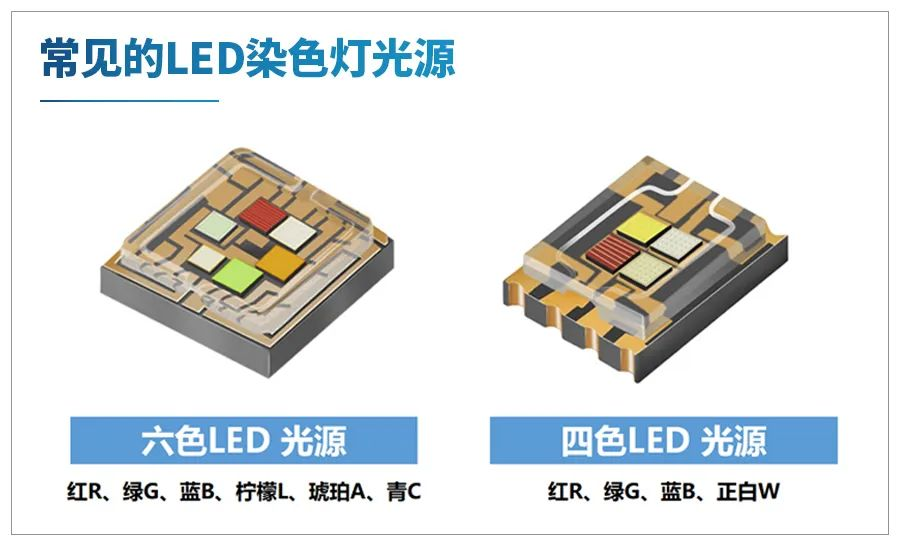
XMLITE’s LM660 wash mover page, for instance, describes a 37×20W 6‑in‑1 RGBACL engine (Red+Green+Blue+Amber+Cyan+Lemon), high CRI performance (listed as Ra 96 / R9 93 / TLCI 96), and a variable beam angle of 8°–38°—useful when you want the stage to feel alive (and look good on camera) without turning your plot into a wiring project. It also lists DMX512 control with RDM support (optional), plus USB for address/upgrade work.
More links (because procurement people hate scrolling):
https://www.xmlitelighting.com/products/3720w-led-wash-with-zoom/

Creative Applications of Stage Lighting
Color and Texture Effects
Gels used to be the whole game. Now LED mixing does a lot of the heavy lifting—fast changes, repeatability, fewer consumables. Still, texture is what makes audiences go “whoa” without knowing why.
That’s where gobos earn their rent: metal or glass patterns inserted into fixtures to project shapes—foliage, windows, breakup, logos, whatever fits the story.
Special Effects
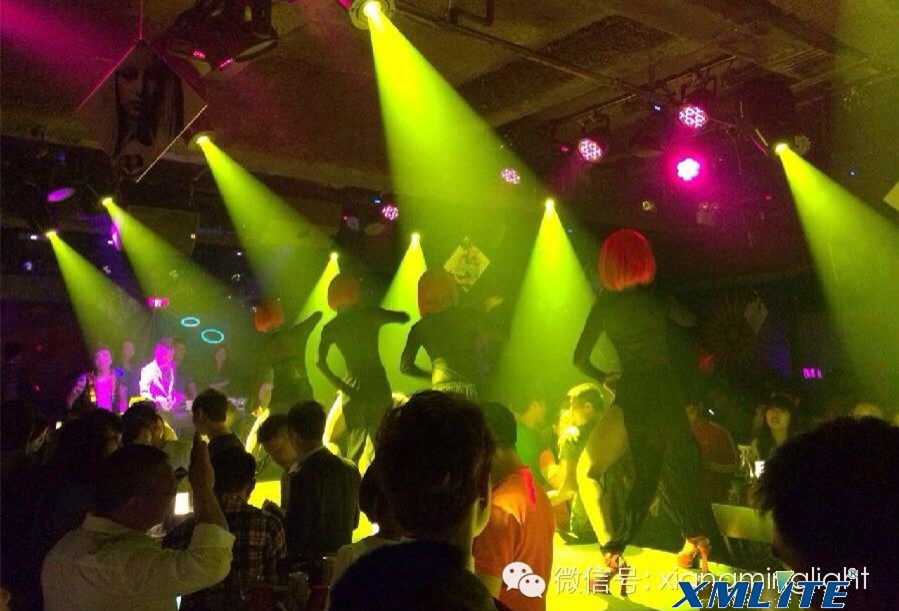
- Beam moving head lights: tight shafts that read best with haze (more on that in a second). XMLITE’s LLP400 page calls out a 2° beam angle and prism effects—exactly the toolkit you use when you want aerial looks, not soft coverage.
- Moving head laser lights: when you need “futuristic” or “high-energy,” lasers do it fast. Use them with intent, and obey local safety rules (seriously—this is the part where people get sloppy).
- Smoke/haze + light: haze is basically “make beams visible” in a box. You’re adding particles so the audience can see the light traveling through the air, not just where it lands.
Lighting for Audience Engagement
Engagement isn’t about blasting the audience with light. It’s about guiding their eyes.
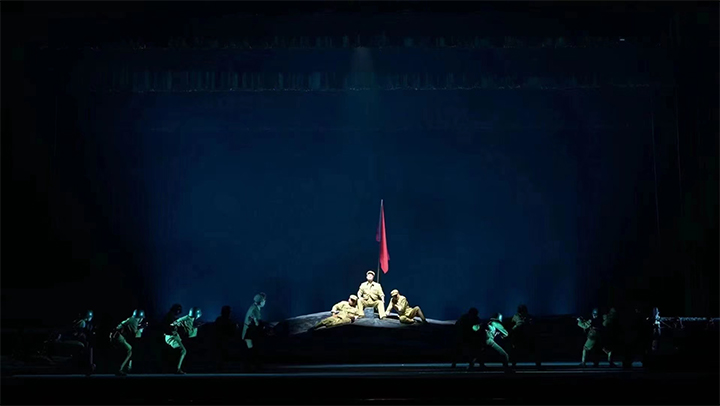
Selective highlighting (tight key on the speaker, softer fill on the ensemble, a rim light that pops) tells the room what matters. Wash levels set comfort and emotional temperature. Then cues do the steering: slow fades for tenderness, sharp bumps for shock.

Technical and Practical Considerations
Integration with Stage Design
Lighting doesn’t live alone. If your fixture positions fight the set, you lose—every time.
- Keep beams out of sightlines when you can (unless the beam is the point).
- Don’t put a mover where it has to swing through actors’ faces to hit its next position.
- Coordinate angles with scenic masking, portals, and soft goods so you’re not lighting the legs like they’re the star.
Control Systems and Automation
DMX512 remains the baseline control method for fixtures in theatre and live events, and RDM adds device feedback and management over the same kind of network. That matters when you’re running lots of fixtures and you need quick troubleshooting without climbing a ladder for every tiny change.
Maintenance and Reliability
Nothing kills “professional” like a fixture that decides to throw an error five minutes before doors.
Plan for:
- routine cleaning (fans, vents, optics),
- checking pan/tilt calibration,
- spare fixtures or at least spare parts.
On the vendor side, B2B timelines matter too: XMLITE’s wash category page claims quotes within 24 hours, and typical delivery of 7–10 days for standard products (15–20 for custom). If you’ve ever had a show date creeping up while shipping emails go quiet, you already understand why that line matters.

Conclusion
Great stage lighting is half art, half discipline: angles that make faces readable, contrast that gives depth, cues that land on emotion, and gear that behaves under pressure.
If you’re building a theatre rig—or supplying one—profile moving heads are the workhorses that let you frame cleanly, control spill, and keep looks consistent across shows and spaces. XMLITE’s profile moving head lineup (like the C10 and their LED profile models with framing systems) is aimed squarely at that B2B problem set: output, control features, and support terms that don’t vanish after install day.
FAQ
How do dramatic theatre lighting techniques enhance stage storytelling?
They steer attention (what you see), shape emotion (how it feels), and control time (when the moment lands). Good cues are basically invisible direction.
What is the role of moving head lights in creating dramatic effects?
They let you re-aim, re-shape, and re-color light fast—great for shifts in location, power, and focus—without re-hanging half the rig.
What are the differences between beam lights, spotlights, and wash lights for theatre?
Wash = wide, soft coverage. Spot/profile = tighter control and texture projection. Beam = very narrow shafts that pop hard in haze.
What special effects can be achieved using moving head laser lights?
Laser looks: sharp lines, fans, tunnels, scanning shapes—high energy fast. Use them deliberately and safely (the “safety” part isn’t optional).
How can lighting cues be automated for complex theatre shows?
A console runs pre-built cue stacks (fade times, delays, marks), typically over DMX512. RDM can help with addressing and fixture feedback in bigger systems.