CN
CN

Nobody remembers your “stage setup.” They remember the moment the CEO walked out and looked like a hero. Or the singer hit the first chorus and the crowd finally saw them. Or the awards host didn’t get swallowed by a black hole because someone forgot front light.
That’s the job: make the room feel intentional. Stage placement, lighting, sound, video, power—every one of those departments can either play nice or start a small war. And the audience always knows, even when they can’t explain it.
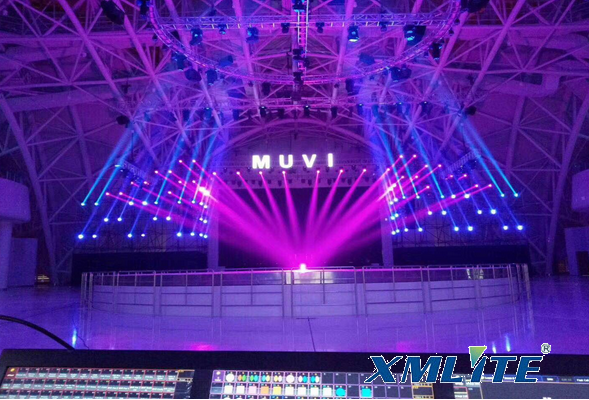
Moving head lights (profile/beam/wash), beam lights, wash lights, and old-faithful stage spotlights all have a place. Use the right tool, in the right position, with the right control, and you get punch, clarity, and mood. Use the wrong one, and you get glare, haze soup, and a performer who looks like they’re being interrogated.
Wash lights are your coverage paint roller. They fill, they smooth, they keep the stage from looking like a cave between cues.
They’re also the reason camera looks stop going sideways at corporate events. A consistent wash makes IMAG and livestreams calmer—less pumping exposure, fewer weird color swings.
LED wash fixtures also tend to mean less lamp drama and long source life specs (you’ll see 20,000-hour class numbers on plenty of modern fixtures). Example: XMLITE’s wash products list >20,000 hours on the source side, depending on model.
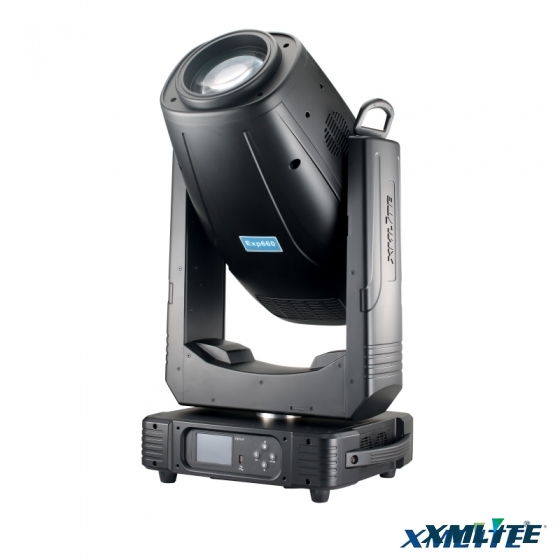
Profile moving head lights for professional events
If you’re buying for rental, touring, installs, or corporate production, you’re not shopping for vibes—you’re shopping for repeatability. Spec sheets, service, and consistency.
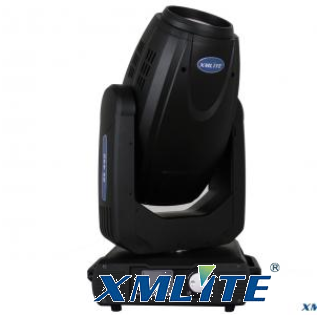
A few XMLITE profile fixtures worth a look (direct product links):
- 800W LED profile: https://www.xmlitelighting.com/products/800w-led-profile/
- 1000W LED profile moving head light: https://www.xmlitelighting.com/products/1000w-led-profile-moving-head-light/
- 800W profile mover (C8): https://www.xmlitelighting.com/products/800w-profile-moving-head-light/
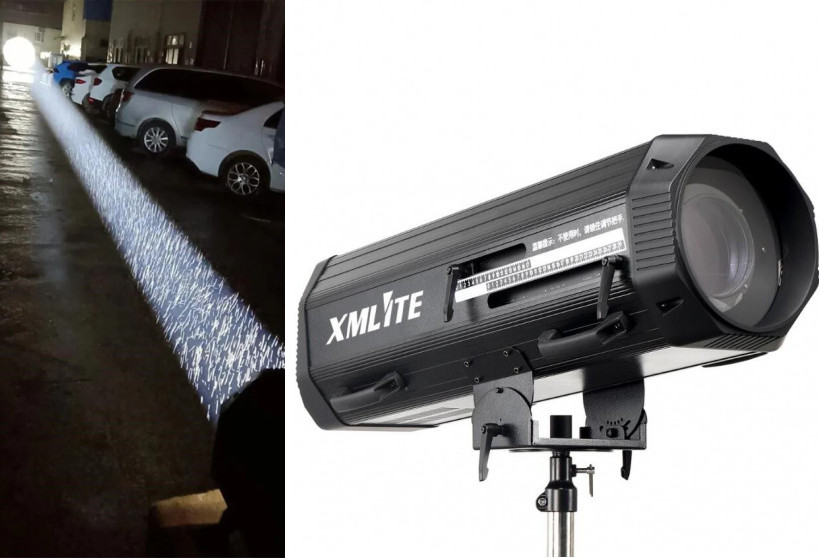
- 400W follow spot (FS460): https://www.xmlitelighting.com/products/fs460/
What “B2B-friendly” looks like in real life:
- Long-throw face light needs: The XF580 is positioned as a long-distance face light type fixture and lists a 20,000-hour source life and framing/cutting features.
- Outdoor spec reality: The W10 lists DMX512/RDM, zoom 7°–51°, framing shutters, CMY+CTO, and a 20,000-hour lifespan—aka the stuff you need when weather, distance, and camera are all trying to ruin your day.
- Big-output trend: XMLITE’s C10 launch write-up claims a 1000W LED profile mover aimed at 70–80m throw with >50,000 lumens. Whether you buy that exact model or not, it’s a useful benchmark for what modern LED profiles are chasing.
Also, XMLITE states a 3-year warranty on its moving head range on its moving head category page, which matters a lot more than marketing adjectives when you’re the one stuck supporting gear in the field.
XMLITE’s profile range (XF580, W10, C8/C10 class fixtures) is clearly built around that “precision first” idea, with the sort of specs B2B buyers actually care about: zoom ranges, framing modules, DMX/RDM control, and long source-life numbers.FAQ
How can moving head lights improve stage lighting for events?
They give you one fixture that can become many jobs during the night: sweeping aerial accents, textured gobos on scenic, tight special light on a podium, a fast color shift for a walk-on. The real win is speed—fewer fixtures doing more looks, with cues you can repeat.
Profiles are the “grown-up” version when you need beam shaping (framing shutters/iris/zoom) and pattern projection in one box.
How do B2B clients benefit from using XMLITE profile moving head lights?
B2B buyers usually care about three things: consistent output, controllability, and support.
XMLITE’s product pages for fixtures like the W10 and XF580 show the kinds of features that map to that world—DMX512/RDM control, zoom ranges, framing shutters/cutters, and long lifespan specs. And XMLITE publicly positions its moving head line with a 3-year warranty, which is the sort of policy that actually affects total cost of ownership.
How should lighting be integrated with sound for event staging?
Treat lighting like another instrument, not a screensaver.
Build cue stacks around audio moments (walk-ons, sting hits, video rolls). Use timecode when the show demands it. For everything else, keep a human on a “busking” page who can follow the room. And don’t drown speech in hyperactive looks—clarity beats chaos.
What rehearsal practices ensure smooth lighting and stage operation?
- Full cue-to-cue with the real content (videos, walk-on music, mic handoffs).
- Focus session that checks faces from the audience and from camera.
- A second run that verifies what happens when talent misses marks (because someone always does).
- A printed patch/fixture list and a labeled cable plan so swaps don’t become archaeology.
How can event organizers choose the right lighting manufacturer for professional setups?
Look past the hero photos.
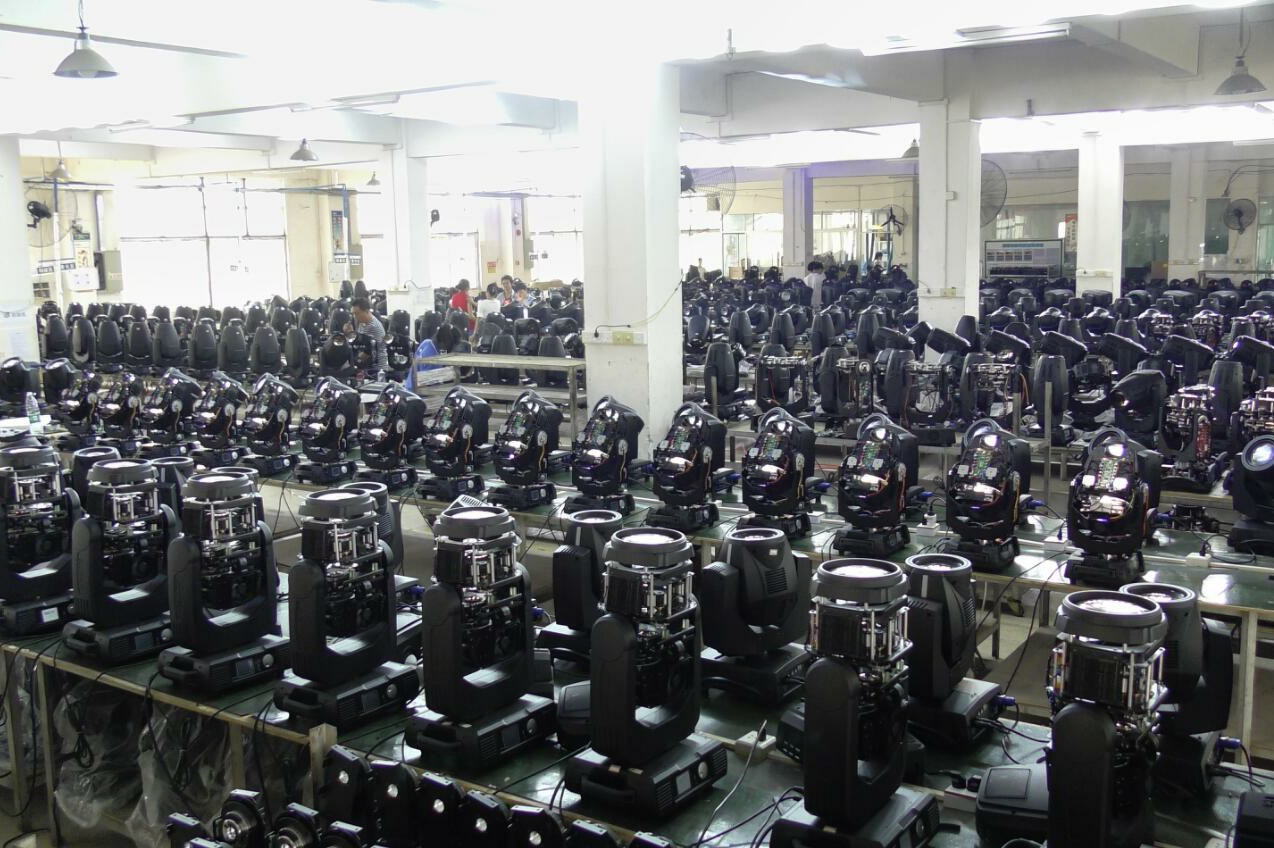
Check whether spec sheets are specific (zoom range, control modes, cutter system, source life). Check service terms and warranty policy. Check whether the brand supports the boring stuff: parts availability, documentation, and predictable behavior across batches. DMX interoperability matters too—DMX512-A is the ecosystem you’re living in.