CN


With the rapid iteration of digital stage technology, modern stage lighting design has completely broken the single lighting auxiliary attribute and evolved into a core part of stage art creation. In current live performance, theater drama, and commercial event scenes, excellent lighting design is no longer a simple stage filling work. It integrates artistic aesthetic creativity and professional digital control technology, shaping the emotional tone, spatial hierarchy and visual rhythm of the whole performance, and becoming a key link to enhance the immersive experience of the stage scene.
Industry insiders said that contemporary professional lighting designers are dual roles of artistic creators and technical practitioners. Different from traditional lighting operation relying on empirical adjustment, modern stage lighting creation follows a complete standardized design process. The whole work starts with in-depth interpretation of the performance theme, cooperating with directors and art teams to clarify the emotional context and presentation logic of the program. On this basis, designers complete scene storyboarding, mood positioning and light effect planning, and use professional 3D visual simulation tools to preview and optimize the scheme in advance, avoiding on-site adjustment errors and improving the accuracy and refinement of lighting presentation.
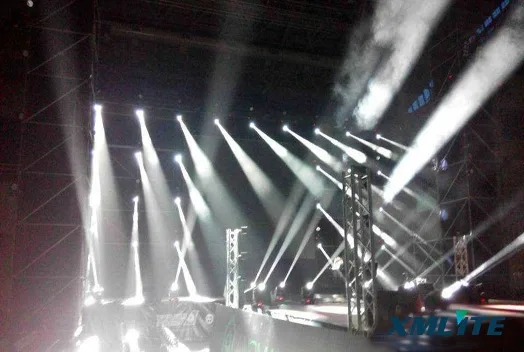
Color psychology and layered light application are the core artistic foundations of modern lighting design. Professional designers flexibly match warm and cool color tones according to plot changes and scene atmosphere. Warm color gamut creates passionate and lively dynamic scenes for concerts and celebration events, while cool and low-saturation colors render quiet, profound and delicate artistic conception for theater performances and literary shows. Through multi-dimensional color mixing, gradient superposition and regional light and shadow contrast, the flat stage space is transformed into a three-dimensional emotional scene, realizing the organic integration of light, shadow and performance content.
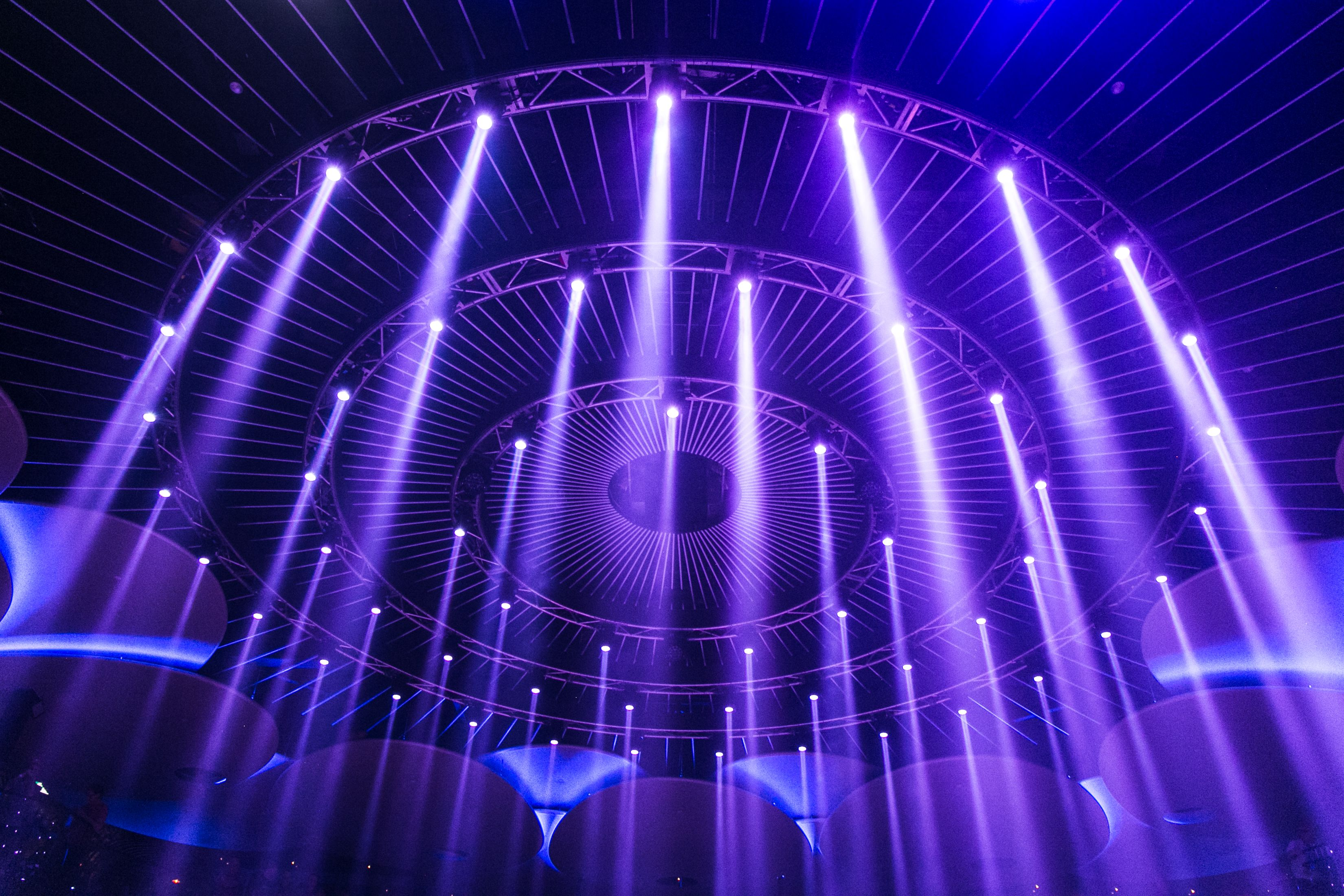
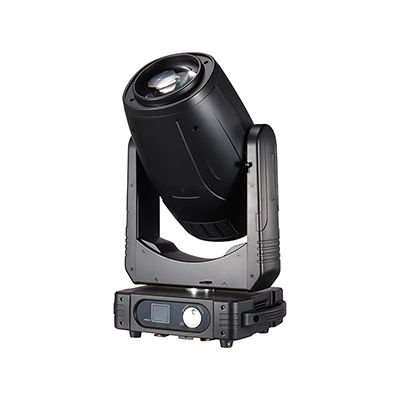
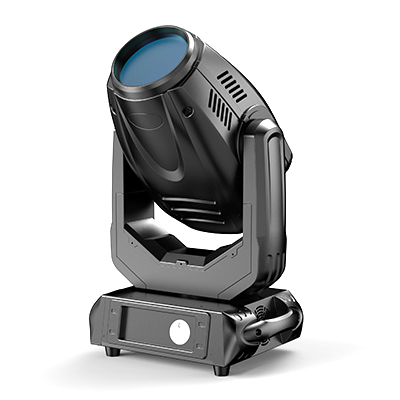
The innovation of digital technology provides strong technical support for creative lighting expression. Modern stage lighting systems rely on mature DMX512 and Art-Net intelligent control protocols to realize precise single-lamp control, regional linkage and synchronous program switching, supporting complex dynamic light effect programming. At the same time, the continuous upgrading of moving head beam lights, wash lights, profile lights and other intelligent fixtures enriches the presentation forms of stage lighting. The adjustable zoom, precise framing, diversified prism and pattern effects of professional equipment can meet the personalized creative needs of different scenes, breaking the limitations of traditional single and rigid lighting effects.
In recent years, the stage lighting industry has also shown new development trends such as low-carbon energy saving and refined cost control. Under the premise of ensuring artistic presentation quality, more designers choose high-efficiency LED lighting equipment to reduce energy consumption and long-term operation costs. Through reasonable fixture layout, precise equipment selection and modular programming design, it realizes balanced output of creative effect, construction efficiency and project cost, forming a more scientific and efficient modern stage lighting design system.
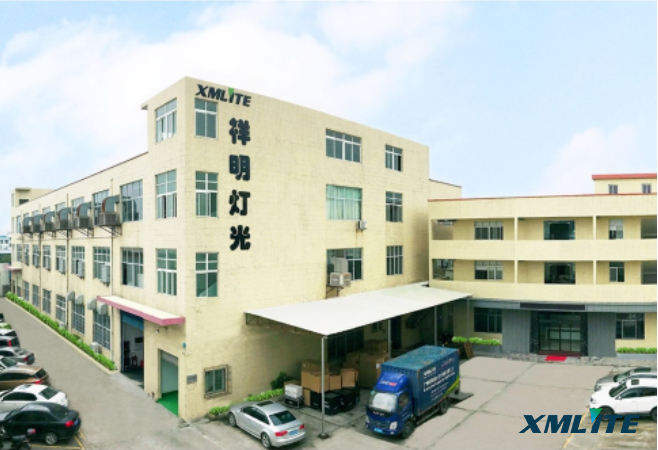
As a professional manufacturer focusing on the R&D and manufacturing of intelligent stage lighting equipment, XMLITE has long been committed to empowering stage art innovation with technological upgrading. The brand’s full range of intelligent lighting fixtures have stable optical performance and excellent system compatibility, which can perfectly adapt to complex creative programming and multi-scene combined lighting design. It provides reliable technical equipment support for global lighting designers to realize diverse artistic creativity, helping every stage project present professional and stunning visual effects.