CN


In the high-stakes world of live event production, lighting fixtures shape the whole visual storytelling of your show. Whether you are designing stage visuals for concert tours, theatre performances, or large corporate events, the pressure is always the same: you need to deliver spectacular visuals with reliable lighting hardware.
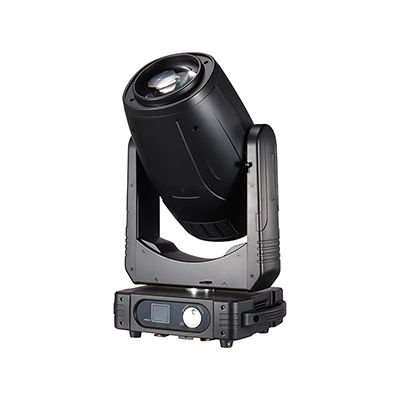
The backbone of any modern lighting rig is undoubtedly stage moving head lights. These fixtures define the mood, energy, and scale of a show. For lighting designers and production teams, the core challenge is picking the right moving heads to match your creative vision and venue conditions.
At XMLITE, we understand lighting designers’ needs for stable performance and rich light effects. In this guide, we will explore how to source the right moving head equipment for different live productions.
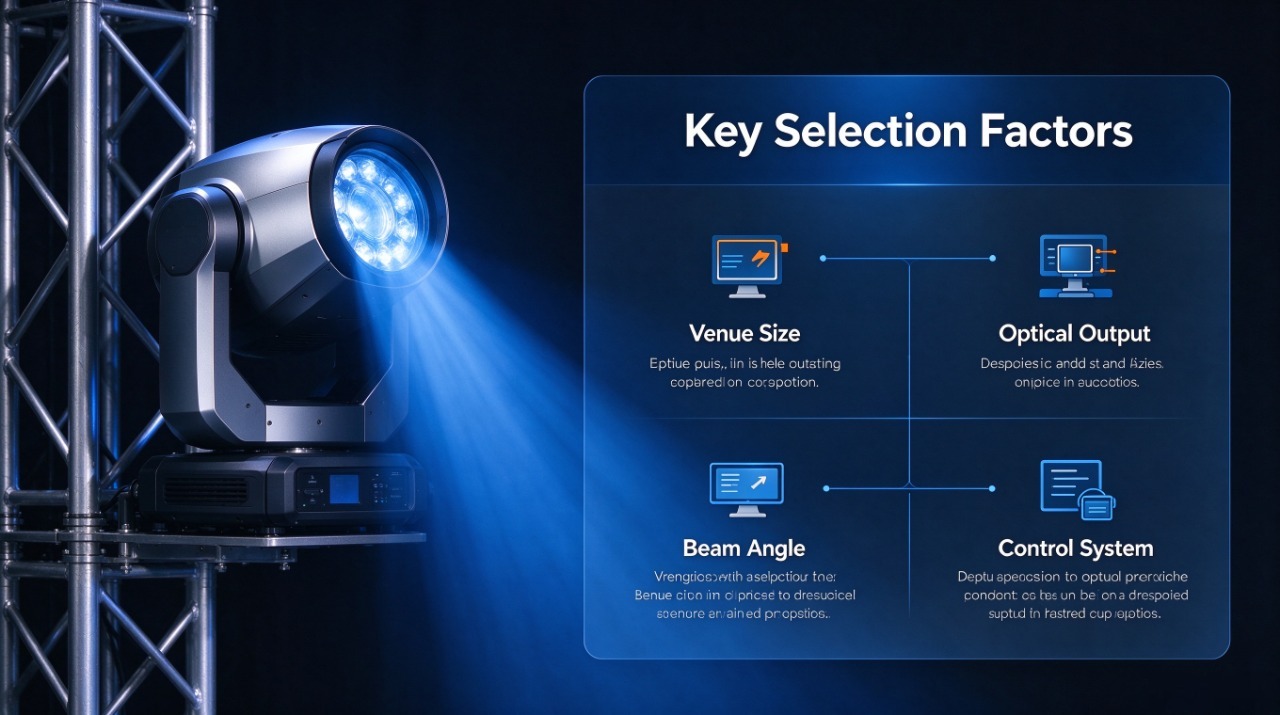
Core Factors to Select Stage Moving Head Lights
1. Match Optical Performance to Venue Size
Large outdoor arenas require fixtures with high luminous output and long throw distance, so light beams can reach across wide spaces. For indoor theatres or small event halls, pay more attention to beam angle adjustability and smooth color mixing, to avoid overly harsh lighting on performers.
2. Choose the Right Fixture Type Based on Lighting Tasks
- Beam moving heads: Sharp narrow beams, ideal for dynamic aerial effects and fast-paced music performances
- Spot moving heads: Clear gobos and precise framing, perfect for highlighting performers and creating defined patterns
- Wash moving heads: Even soft color coverage, used to tone the whole stage background
3. Check Control Compatibility
Professional moving heads support DMX512, RDM or Art-Net control protocols. Confirm the fixture can connect seamlessly with your lighting console, supporting smooth parameter adjustment, synchronized effects and remote status management.
4. Consider Physical Structure & Operation Noise
For quiet theatre and indoor performances, low-noise fan design is essential. Lightweight and compact housing helps speed up rigging and setup work, while sturdy casing keeps stable operation during long-hour shows.
Applications of Moving Head Lights in Different Shows
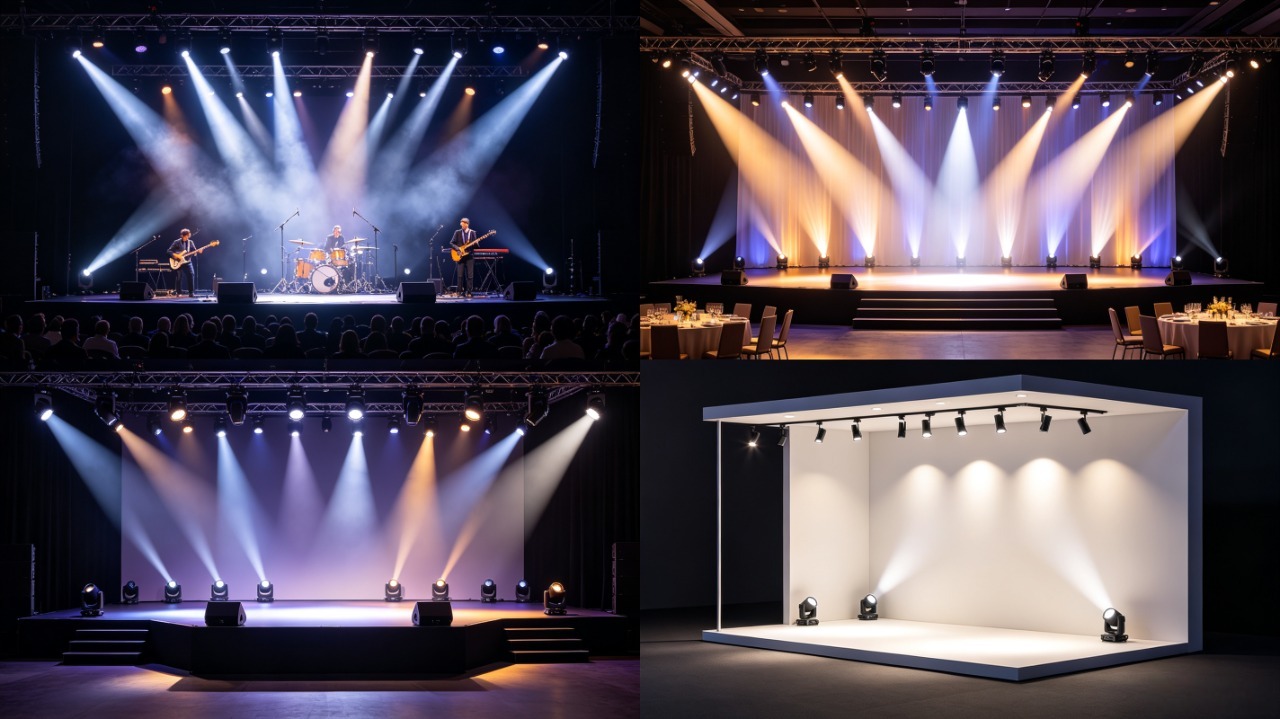
- Concerts & festivals: Dynamic beam effects, fast color switching to follow music rhythm
- Theatre & opera: Gentle spot framing and color wash to support plot emotion changes
- Corporate events & award ceremonies: Elegant static patterns and soft ambient lighting
Final Tips
Always test the fixture’s color consistency, gobo sharpness and movement smoothness before formal deployment. Align your moving head selection with your creative plan, venue dimension and control system, to build a stable and stunning stage lighting system.